
Welcome to the "Other" New Year: Why March 1st Matters
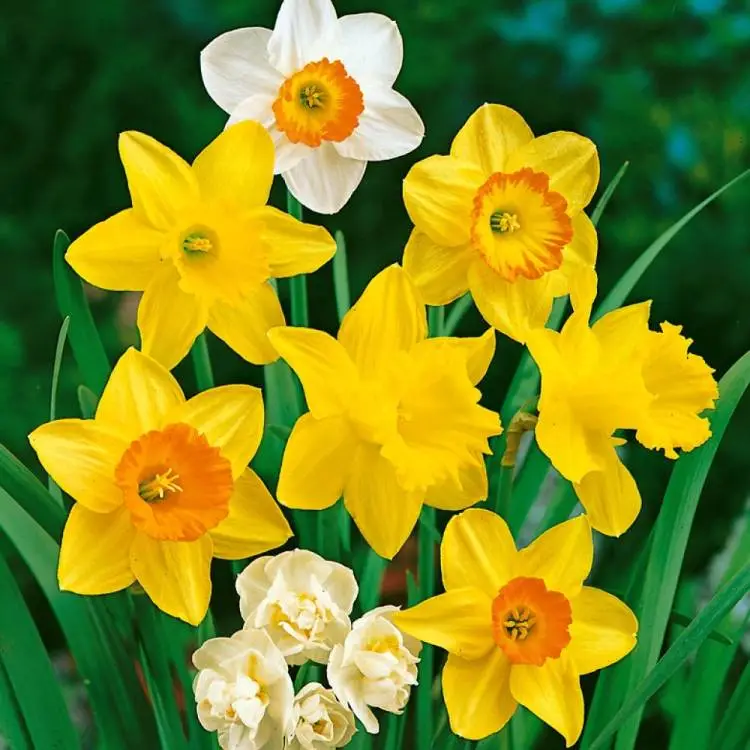 While the rest of the world waits for the spring equinox later this month, meteorologists are already breaking out the light jackets and seasonal charts. Today marks the start of meteorological spring.
If you’ve ever felt like the "official" start of spring on March 20th or 21st comes a little too late - especially when the birds are already singing and the buds are appearing - you’re actually aligned with the scientific community.
The Calendar Clash: Astronomical vs. Meteorological
Most of us grew up learning that seasons are dictated by the Earth’s tilt and its journey around the sun. This is astronomical spring, defined by the vernal equinox. However, meteorologists and climatologists use a different yardstick.
- Astronomical Spring: Based on the Earth's position relative to the sun. Because the orbit isn't perfectly circular, the dates of the equinoxes can shift by a day or two each year.
- Meteorological Spring: Based on the annual temperature cycle and the civil calendar. It consistently runs from March 1st to May 31st.
Why Meteorologists "Cheat" the Calendar
It might seem like meteorologists are just impatient for warmer weather, but there are three very practical reasons for this March 1st start date:
- Statistical Consistency: Because meteorological seasons always start on the first of the month and last exactly three months, it makes calculating seasonal averages and records much simpler. Comparing "Spring 2024" to "Spring 1954" is easier when the dates don't wiggle around.
- Temperature Realities: In the Northern Hemisphere, March, April, and May represent a period of rapid warming that fits the "spring" profile better than the period from late March to late June (which often feels like mid-summer by the end).
- Agriculture and Planning: Farmers, gardeners, and city planners rely on these consistent blocks of time to track frost dates and rainfall patterns more accurately.
What to Expect This Season
Meteorological spring is often described as a "transition season." It is the atmospheric equivalent of a tug-of-war.
As the Northern Hemisphere begins to tilt back toward the sun, we see a clash between retreating Arctic air masses and surging warm air from the south. This instability is exactly what triggers the classic spring "showers" and, more seriously, the start of severe weather and tornado seasons in many regions.
A Mindset Shift
Whether there is still snow on the ground where you live or the tulips are already pushing through the soil, March 1st represents a psychological milestone. We are officially leaving the three coldest months of the year (meteorological winter) behind us.
So, go ahead and put away the heavy parka - or at least move it to the back of the closet. The data says spring is here.